Finish Writing Monday, Go Live Wednesday: The AI-Powered E-Book Pipeline Indie Authors Are Rushing To Try
Not long ago, finishing a manuscript was just the beginning of a very long wait. You'd spend weeks on self-edits, weeks more hunting down a freelance cover designer, then wrestle with formatting software before finally uploading to a distribution platform and hoping you'd done everything right. From final draft to live listing? Realistically, you were looking at two to four months if you were moving fast.
That timeline is collapsing. A growing number of indie authors across the US are reporting that they're going from polished draft to published e-book in 48 hours or less — and they're doing it by leaning hard on a set of AI-assisted tools that have quietly matured into something genuinely useful. This isn't about cutting corners on the writing itself. It's about eliminating the production bottlenecks that used to eat up months of momentum after the creative work was done.
Here's how the new pipeline actually works.
Step One: The AI Edit Pass (And What It Can and Can't Do)
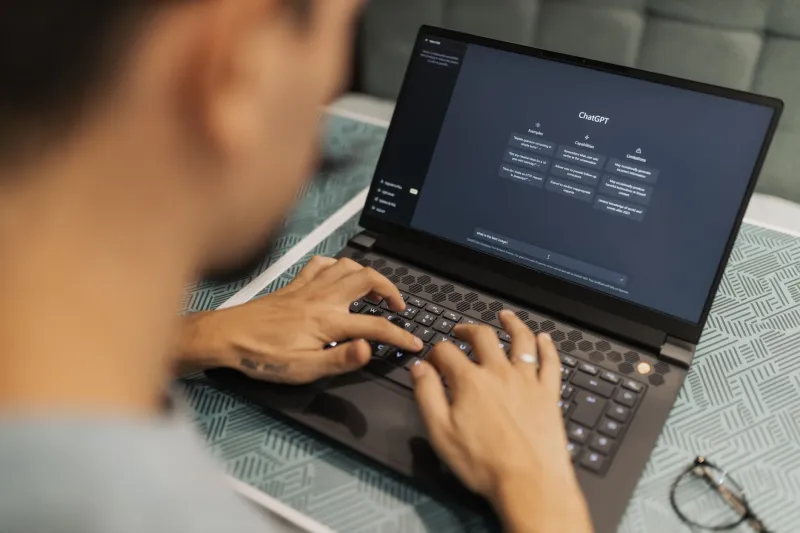
The first stop after a finished draft is an AI editing tool. Options like ProWritingAid, Sudowrite's revision features, and the newer AI modes inside tools like Hemingway Editor or even ChatGPT-based custom prompts are handling a lot of the grunt work that used to require either a developmental editor or weeks of self-revision.
Authors are running manuscripts through these tools to catch structural issues, pacing problems, repetitive phrasing, and consistency errors — the stuff that a tired writer misses after reading their own work for the hundredth time. Romance author Kira Voss, who publishes three to four novellas a year through platforms like Amazon KDP and Draft2Digital, says she's cut her revision cycle from three weeks to about four days using a combination of ProWritingAid and targeted ChatGPT prompts.
"I give it specific jobs," she explained in a post on a popular indie author forum. "Check my chapter endings for hooks. Flag anywhere my protagonist's voice shifts. Summarize each scene so I can see if the pacing feels off. It's not writing for me — I'm using it like a very fast, very patient editorial assistant."
The important caveat: AI editing tools are still weak on nuance, voice, and anything that requires cultural context or emotional intelligence. Most experienced indie authors treat the AI output as a first pass, not a final verdict. Human judgment remains non-negotiable at this stage — especially for dialogue, sensitivity reads, and anything that touches on real-world communities or experiences.
Step Two: Cover Design Without the Six-Week Wait
Cover design used to be one of the biggest bottlenecks in indie publishing. Good freelance designers book out weeks in advance, and even a fast turnaround was rarely under ten days. AI image generation tools — particularly Midjourney, Adobe Firefly, and Canva's AI features — have changed that math significantly.
Authors are now generating multiple cover concept options in an afternoon, then refining the best one with typography and layout adjustments inside tools like Canva or Adobe Express. The results aren't always indistinguishable from professionally designed covers, but they've gotten close enough that readers aren't bouncing off them.
Thriller writer Marcus Delano, based in Atlanta, published six e-books in 2024 and used AI-generated imagery for four of them. "My Midjourney covers are honestly performing better than the two I paid a designer for," he said. "Part of that might be genre — dark, moody thrillers work well with AI art. I wouldn't try this for a literary fiction cover where the design needs to feel really considered."
Genre matters a lot here. Romance, fantasy, horror, and action-thriller tend to have visual conventions that AI tools can replicate effectively. Literary fiction, memoir, and nonfiction often require a more conceptual design sensibility that current AI tools still struggle with.
Step Three: Metadata That Actually Works
This is the part of the process most authors dread and most readers never think about — but metadata is what determines whether your e-book surfaces in search results on platforms like Amazon, Apple Books, or Kobo. Keywords, categories, book descriptions, and series information all have to be right, and getting them wrong can quietly kill a launch.
AI tools are proving genuinely useful here. Authors are using ChatGPT and similar tools to generate multiple versions of their book description (the blurb that appears on the sales page), then testing them for clarity and hook strength. Tools like Publisher Rocket help identify high-performing keywords, and some authors are using AI prompts to brainstorm category placements they wouldn't have thought to check.
"I used to spend a whole day just on my Amazon listing," says cozy mystery author Dana Freeling from Portland, Oregon. "Now I generate five or six blurb drafts in an hour, pick the best one, clean it up, and I'm done. The keyword research still takes time, but even that's faster when I use AI to help me brainstorm search terms."
Step Four: Formatting and Upload
Formatting an e-book for multiple platforms used to require either Vellum (Mac only, one-time cost), Scrivener expertise, or hiring someone who knew their way around an epub file. Tools like Atticus have made this more accessible, and several platforms now offer built-in formatting tools that handle most of the conversion work automatically.
Once formatting is done, distribution platforms like Draft2Digital and Smashwords (now merged) can push a single file to dozens of retailers simultaneously. Amazon KDP handles its own ecosystem. The actual upload process, done efficiently, takes under an hour.
Put it all together — a four-day AI-assisted editing pass, an afternoon of cover generation, a morning on metadata, and an hour on formatting and upload — and you're looking at a production timeline measured in days, not months.
Where the Trade-Offs Live
Speed has costs, and it's worth being honest about them. AI editing tools miss things that experienced human editors catch. AI cover art can look generic or slightly off in ways that are hard to articulate but that readers notice subconsciously. Metadata generated without deep market knowledge can be technically correct but strategically weak.
The authors who are making this pipeline work well aren't replacing human judgment — they're deploying it more selectively. They're using AI to handle the repeatable, mechanical parts of production so they can spend their limited time and budget on the decisions that actually require expertise: final story polish, cover art direction, pricing strategy, and launch timing.
The 48-hour pipeline isn't for every book or every author. But for indie writers who publish frequently in genre fiction — where speed to market genuinely matters and reader expectations are well-defined — it represents a real shift in what's possible. Your library, wherever you take it, is growing faster than ever. And the people building it are working smarter, not just harder.