Here Today, Gone Tomorrow: The Ugly Truth About What Happens to Your E-Books When a Publisher Disappears

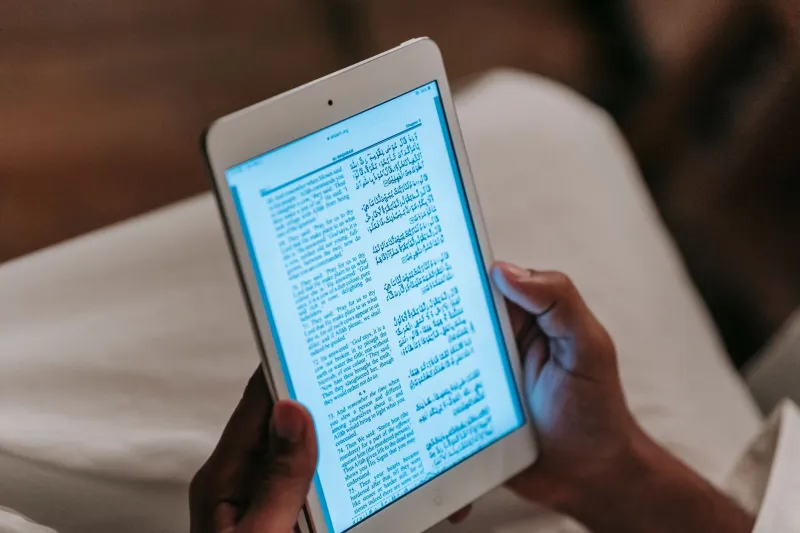
Imagine paying full price for a hardcover, bringing it home, placing it proudly on your shelf — and then watching it dissolve into thin air one Tuesday morning while you're eating breakfast. No warning. No refund. No explanation beyond a vague support email that says something like "service changes are underway."
That's not a dystopian thought experiment. For thousands of American readers, it's already happened. And with the digital publishing landscape shifting faster than ever, the odds of it happening again — maybe to you — are higher than most people realize.
The Collapse Nobody Talks About
Back in 2019, Microsoft shut down its e-book storefront and remotely deleted every title customers had purchased. Not borrowed. Purchased. To its credit, Microsoft issued refunds — but the books themselves were simply gone, wiped from devices without so much as a heads-up. Annotations, highlights, bookmarks: all of it, erased.
That same year, a smaller platform called Nook's partnership with certain academic publishers frayed, leaving college students mid-semester without access to textbooks they'd already paid for. And those are just the cases that made headlines. Dozens of smaller e-book storefronts have quietly shuttered over the past decade, taking readers' purchased libraries with them.
The pattern is almost always the same: a company hits financial trouble or loses a licensing agreement, flips a switch on the server side, and — poof. Your "purchased" title is gone. No certified letter. No class-action heads-up. Just a dead link where your book used to live.
Why "Buying" an E-Book Isn't Really Buying
Here's the uncomfortable legal reality that most platforms bury somewhere around page 47 of their Terms of Service: when you buy an e-book, you're almost never actually buying the book. You're purchasing a license to access it under conditions the platform controls. That license can be revoked. It can expire. It can evaporate the moment a company files for Chapter 11.
Physical books operate under something called the First Sale Doctrine, a cornerstone of U.S. copyright law that lets you resell, lend, or keep a book you've purchased — forever, no asterisks. Digital content? Largely exempt from those same protections. The Copyright Act hasn't kept pace with the realities of e-commerce, and Congress hasn't shown much urgency in closing the gap.
So that $14.99 you spent on a memoir last spring? Technically, you bought temporary permission to read it — not the reading experience itself.
The Licensing Labyrinth
Even when a platform doesn't go bankrupt, licensing deals between publishers and distributors can fall apart, and readers get caught in the crossfire. A publisher might pull its catalog from a platform mid-negotiation, yanking titles from active libraries overnight. This has happened with audiobook platforms, comic book apps, and yes, e-book storefronts — often affecting niche or independent titles that don't generate enough noise to warrant media coverage.
For indie readers who gravitate toward smaller publishers or self-published authors on boutique platforms, the risk is actually higher. Larger storefronts like Amazon's Kindle ecosystem have enough leverage to maintain most licensing relationships. Smaller platforms — the ones often doing the most interesting curatorial work — are perpetually one bad quarter away from the lights going out.
What Consumer Protections Actually Exist (Spoiler: Not Many)
At the federal level, digital content consumers have surprisingly thin cover. The FTC has broad authority over deceptive trade practices, and there's an argument that calling something a "purchase" when it's really a revocable license is misleading — but enforcement in this space has been slow and inconsistent.
A handful of states have made noise about stronger digital ownership laws. California and New York legislators have introduced bills requiring platforms to be more transparent about what consumers are actually getting when they "buy" digital content. As of now, none of those efforts have produced binding law with real teeth.
In the meantime, most readers who lose e-book access have two realistic options: contact customer support and hope for a partial refund, or accept the loss. Neither feels great when you've spent years building a digital library.
The DRM Problem
Digital Rights Management — the encryption technology that locks e-books to specific platforms — is a huge part of why this problem persists. DRM is designed to prevent piracy, which is a legitimate concern. But as a side effect, it also prevents you from doing what any reasonable person would do with something they own: back it up.
If you buy a physical book and your house floods, you can replace it. If you buy a DRM-locked e-book and the platform collapses, you're starting from zero. The file on your device becomes unreadable the moment the authentication server goes dark.
Some publishers — particularly in the independent and academic space — have started offering DRM-free titles, often through platforms like Smashwords or direct author storefronts. These files can be saved, backed up, and transferred across devices indefinitely. It's a reader-friendlier approach, though it remains the exception rather than the rule.
What You Can Do Right Now
You don't have to wait for Congress to act or hope your platform survives its next funding round. There are practical steps you can take today to make your digital library more resilient.
Download everything you can, immediately. Most platforms allow you to download titles to a local device. Do it. Don't rely solely on cloud access, which depends entirely on the platform staying operational.
Prioritize DRM-free sources when possible. Sites like Standard Ebooks, Open Library, and certain indie publisher storefronts offer titles without restrictive encryption. For books you care deeply about, seek out DRM-free editions.
Diversify your platforms. Keeping your entire library on one storefront is the digital equivalent of putting all your eggs in one basket. Spread purchases across two or three platforms so a single collapse doesn't wipe everything out.
Keep records of your purchases. Screenshot your library. Save order confirmation emails. If a platform disappears and you need to make a case for a refund or replacement, documentation matters.
Watch the news around your platform. Layoffs, funding shortfalls, acquisition rumors — these are often early warning signs. If your e-book platform starts making headlines for the wrong reasons, it might be time to download your library and hedge your bets.
A Bigger Conversation We Need to Have
The broader issue here isn't just legal technicality — it's about what we expect from digital culture. Americans have spent decades building relationships with their book collections. A personal library isn't just a list of titles; it's a record of who you were when you read them, complete with dog-eared pages and margin notes that tell your own story back to you.
Digital reading has made books more portable, more accessible, and in many cases more affordable. Those are genuine wins. But the trade-off — surrendering permanence for convenience — deserves a lot more scrutiny than most readers have given it.
At epub2go, we believe your library should travel with you because it's yours. Not yours until further notice. Not yours subject to a licensing agreement you never fully read. Yours, full stop. Until the law catches up with that principle, the best defense is knowing exactly what you're buying — and taking every reasonable step to hold onto it.