The Free Reading Goldmine You're Probably Ignoring: Your Public Library's Digital Collection
Somewhere in your wallet or junk drawer, there's probably a library card. Maybe you got it years ago, used it a handful of times, and forgot about it when streaming services started eating your entertainment budget. Here's the thing: that card might be the most underused subscription you have — and it doesn't cost you a dime.
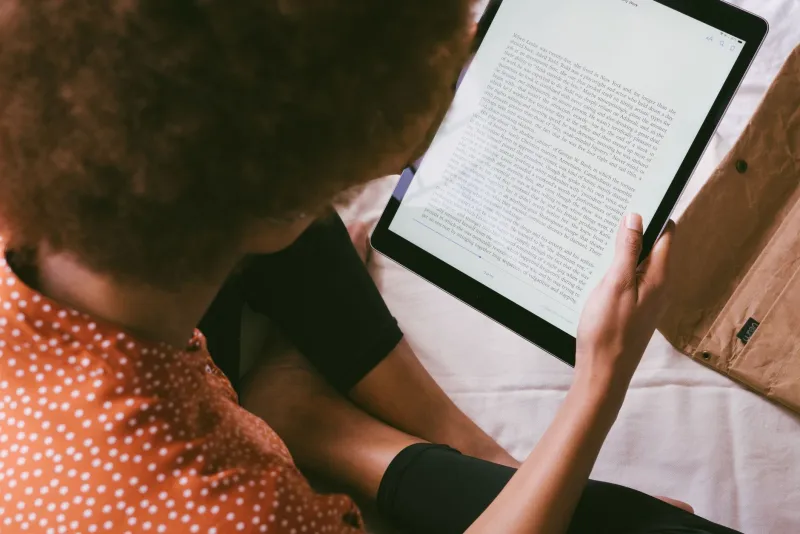
US public libraries have quietly built out massive digital collections over the past decade. We're talking hundreds of thousands of e-books, available to borrow for free, readable on your phone, tablet, or e-reader, no late fees, no trips to a physical building required. And most Americans have no idea.
The Apps You Should Already Have
The digital library ecosystem runs primarily through a handful of platforms, each with slightly different strengths.
Libby (developed by OverDrive) is the big one. It's the app most major US library systems use to lend e-books and audiobooks, and it's genuinely well-designed — clean interface, good Kindle integration, solid reading experience. You connect it to your library card, browse the catalog, and borrow books the same way you'd borrow a physical copy. Titles have wait lists for popular books, just like the physical library, which is one of the few friction points.
Hoopla operates differently and deserves more attention than it gets. Rather than wait lists, Hoopla gives you a set number of borrows per month (usually between 5 and 15, depending on your library's agreement) with immediate availability — no holds, no queues. The catalog skews toward indie publishers and backlist titles rather than the latest bestsellers, but it's enormous and genuinely useful. Hoopla also carries comics, graphic novels, and streaming video, which makes it surprisingly versatile.
Kanopy focuses on video but has expanded into e-books through some library systems. If your library offers it, worth checking.
Palace Project is newer and less widely adopted, but it's worth knowing about — it's a nonprofit-built app designed to give libraries more control over their digital lending without depending on commercial platform intermediaries.
To access any of these, you typically just need a valid library card number from a participating library system. Many libraries now issue digital cards online in minutes, meaning you don't even need to walk into a branch to get started.
Why Most Americans Don't Use This
Usage data is a little humbling here. Despite the availability of these platforms, a significant majority of Americans with library cards have never used their library's digital collection. Among those who have heard of Libby or Hoopla, many assume the selection is limited to obscure titles nobody actually wants to read.
That assumption is outdated. Library digital catalogs have grown substantially. You can find recent bestsellers (with wait lists), current nonfiction, genre fiction across every subgenre, and deep backlist catalogs that would cost hundreds of dollars to buy outright. The selection varies by library system — larger urban systems like the New York Public Library or LA Public Library have significantly more robust collections than smaller rural branches — but the floor has risen considerably.
The awareness gap is the main issue. Libraries haven't historically been great at marketing their digital services, and the apps themselves aren't promoted the way commercial platforms are. Nobody's running Super Bowl ads for Libby.
There's also a perception issue: digital lending feels less "real" than walking into a library building. For readers who grew up associating libraries with a specific physical experience, the idea of accessing one through an app on a phone doesn't register as the same thing.
The Publisher Fight Nobody Talks About
Here's where things get genuinely complicated. The robust digital library collections that exist today didn't come easily, and the battle over what libraries can lend — and on what terms — is ongoing.
When a library buys a physical book, it owns that book. It can lend it to as many patrons as it wants, one at a time, for as long as the book holds together. That's called first-sale doctrine, and it's been settled law for over a century.
Digital books don't work that way. Libraries license e-books from publishers, and those licenses come with terms that often feel punitive by comparison. Major publishers have used a variety of restrictive models: some charge libraries two to three times the consumer price for an e-book license. Some limit licenses to a set number of loans before the library has to repurchase. Some impose embargo periods, preventing libraries from offering new releases for months after publication.
Macmillan infamously tried to limit libraries to a single digital copy of any new title for the first eight weeks after release — a policy that sparked significant backlash from librarians and readers alike before it was eventually walked back.
The publishers' argument is that library lending cannibalizes sales. Libraries counter that lending has always driven discovery and ultimately increases book purchases. The research on this is genuinely mixed, but the power dynamic isn't: publishers control the licensing terms, and libraries largely have to accept them or go without.
Some states have started pushing back legislatively. Maryland passed a law in 2021 requiring publishers to license e-books to libraries on reasonable terms — it was challenged and struck down in court, but it signaled that the political appetite for intervention exists. Similar bills have been introduced in other states. This is a slow-moving fight, but it matters for the long-term health of public library digital collections.
Getting the Most Out of What's There
If you want to actually use this resource, here's how to make it work for you:
Start with Hoopla for immediate reads. If you want something now without a wait list, Hoopla is your best bet. Check if your library system participates (most do) and use your monthly borrows strategically.
Use Libby's hold system like a queue manager. Popular titles will have wait times, but you can place holds on multiple books simultaneously. Treat it like a reading queue — put twenty books on hold and let them arrive as they become available.
Check multiple library systems if you qualify. Some states allow residents to get cards from any library system in the state. Others have reciprocal agreements. Some library systems, like Brooklyn Public Library, offer free digital cards to anyone in the US under a certain age. It's worth investigating what you actually have access to.
Don't sleep on the backlist. The newest releases get the headlines, but library digital collections are deep with older titles — books from five, ten, twenty years ago that are still genuinely worth reading. If you're catching up on a genre or an author's catalog, the library collection is often better than what's available for free elsewhere.
Your library card is already paid for by your tax dollars. The digital collection is already there. All it takes is downloading an app and remembering that your library didn't stop existing just because you stopped walking through its doors.