2 AM and Buying Books: How the Late-Night Reader Is Rewriting Publishing Strategy
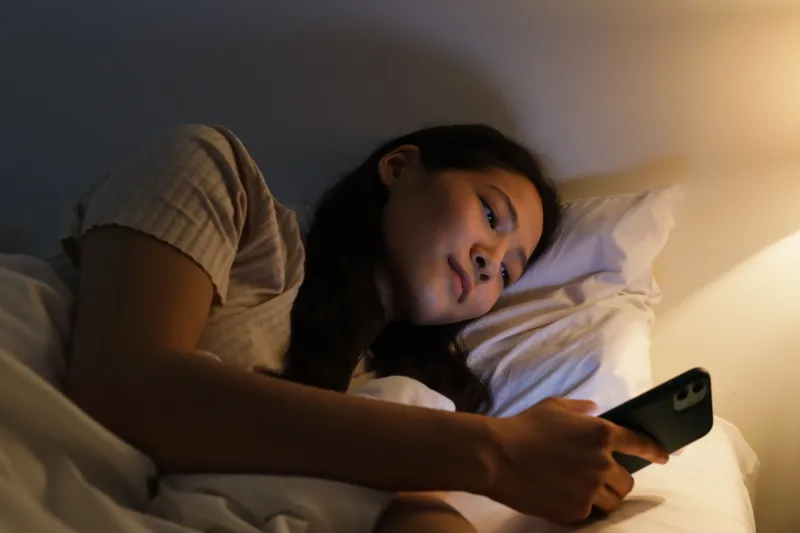
It's 1:47 in the morning. You've been in bed for an hour and a half, telling yourself you'll sleep soon. Your phone is face-down on the nightstand. You pick it up — just to check — and forty minutes later you've finished a sample chapter, read six reviews, and bought a thriller you'd never heard of six hours ago.
If this sounds familiar, you're in excellent company. And you're quietly reshaping how the publishing industry operates.
When Americans Actually Read
For most of print publishing's history, the question of when readers engaged with books was essentially unanswerable. You bought a paperback at an airport, read it over a week, and no one tracked any of it. Digital reading changed all of that.
Platform analytics — the kind that app developers and e-book distributors collect — paint a surprisingly consistent picture: e-book consumption spikes in the late evening, with a secondary peak that extends well past midnight, particularly on weekends. The pattern holds across demographics, though it's especially pronounced among readers in the 25-44 age range using smartphones rather than dedicated e-readers.
The reasons aren't mysterious. Phones are already in hand. The bedroom is quiet. Streaming something feels like too much commitment. And a digital bookstore is always open, always instant, never requires a trip anywhere.
This is the midnight reader economy, and it operates by its own logic.
The Psychology of the Late-Night Purchase
Buying a book at 2 AM is a different emotional experience than buying one at 2 PM. Impulse resistance is lower. The decision-making part of your brain has been running all day and it's tired. You're more likely to trust a gut reaction to a cover, a title, or a first paragraph than you are to do careful comparative shopping.
Marketers have known for years that late-night infomercials work partly because viewers are in a more suggestible, lower-resistance state. E-book platforms aren't infomercials, obviously, but the underlying psychology isn't entirely different. A well-placed recommendation at 11:30 PM hits differently than the same recommendation at lunchtime.
For authors and publishers, this creates an interesting opportunity — and a set of design considerations that most people haven't fully thought through.
What Publishers Are Actually Doing About It
The traditional book release model was built around Tuesday drops (a holdover from physical retail logistics), morning press coverage, and the assumption that readers would encounter books during normal waking hours. That model is eroding.
Some indie authors and smaller publishers have started experimenting with what you might call "night-optimized" release strategies. This means:
Dropping releases at 9 or 10 PM Eastern rather than midnight or early morning. The logic here is catching readers in that pre-sleep browsing window when purchase intent is high, rather than launching to an audience that's asleep or just waking up and rushing to work.
Scheduling promotional emails and social posts for evening hours. Email open rates for book promotions tend to be higher in the 8-11 PM window than during the traditional morning send. Newsletter platforms like BookFunnel have helped indie authors get more precise about this.
Designing covers and sample pages for small-screen, low-light viewing. This one is underappreciated. A cover that looks stunning on a desktop monitor can be nearly unreadable as a tiny thumbnail on a phone screen in dark mode. Authors who have tested their covers specifically on phone screens in dim lighting conditions report meaningfully better click-through on mobile platforms.
The Caffeine Factor (Yes, Really)
Here's a detail that sounds trivial but isn't: a notable portion of late-night reading isn't happening because readers can't sleep. It's happening because they're deliberately staying up. The energy drink and late-night coffee culture that's become normalized among younger Americans has created a cohort of readers who are genuinely alert at midnight and looking for something engaging to do.
Genre fiction — particularly fast-paced thrillers, romantasy, and horror — dominates late-night reading data. These are genres built for momentum, for the "just one more chapter" pull that keeps you reading past when you planned to stop. That's not a coincidence. It's a feedback loop: the readers who stay up late tend to gravitate toward propulsive books, and the success of those books in late-night download windows reinforces their visibility on platforms, which puts them in front of more late-night readers.
Slower, more literary fiction tends to perform better in morning and afternoon windows, which tracks with the kind of focused attention that type of reading requires.
What Indie Authors Can Learn From This
If you're publishing e-books independently through a platform like epub2go or distributing through major retailers, the midnight reader economy has some practical implications worth considering.
First, look at your own sales data by time of day if your platform makes that available. Many do. You might find that your best sales hours are later than you'd expect, which should inform when you run price promotions or send reader newsletters.
Second, think about your book description and sample chapter through the lens of a tired, phone-browsing reader at 11 PM. Is your hook immediate? Does the first page of your sample create momentum fast enough to survive that context? Readers in that state aren't going to give a slow burn much runway.
Third, if you're building a reader community or email list, test evening send times against your current schedule. The difference can be significant.
The 24/7 Bookstore Nobody Talks About
One of the genuinely underappreciated aspects of digital publishing is that it turned every e-book platform into a 24-hour store. There's no closing time, no inventory to restock, no staff to pay overtime. A reader in Montana who finishes a book at 3 AM and immediately wants the sequel can have it in thirty seconds.
That's a profound shift from the physical retail model, and the industry is still catching up to its implications. The midnight reader isn't an edge case or an anomaly. They're a growing, high-intent, high-purchase-frequency segment of the reading population — and they're out there right now, phone in hand, looking for something good.