The Waitlist Problem: Why Your Public Library Can't Keep Up With the Digital Reading Revolution
The Waitlist Problem: Why Your Public Library Can't Keep Up With the Digital Reading Revolution
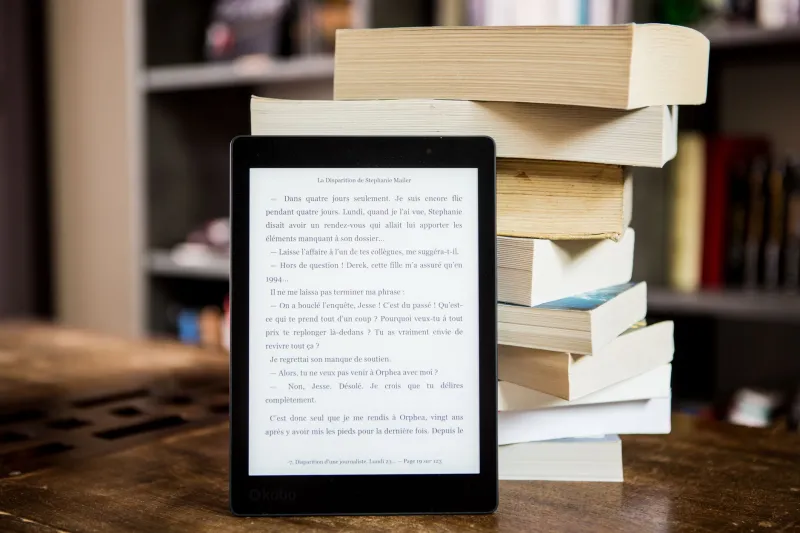
Here's a scenario that'll feel familiar to a lot of American readers. You hear about a new book — maybe it's all over BookTok, maybe a friend won't stop talking about it, maybe it just won an award you care about. You pull up your library's app, search for the title, and find exactly what you were hoping not to find: a waitlist. Not a short one. Forty-three people ahead of you. Estimated wait: fourteen weeks.
You close the app. You open Amazon. You buy the e-book. It's on your device in thirty seconds.
This is the quiet crisis playing out in American reading culture right now, and it doesn't get nearly enough attention.
How We Got Here
Public libraries have been lending books since before the Civil War. The social contract has always been simple: tax dollars fund a shared collection, and anyone with a library card can access it. For physical books, this works beautifully. One copy can be borrowed, returned, borrowed again. The economics are straightforward.
 Photo: Civil War, via cdn.marketing123.123formbuilder.com
Digital books broke that model in ways that still haven't been fully resolved.
When a library wants to offer an e-book for digital lending, it doesn't purchase the book the way it would a paperback. Instead, it licenses it — and publishers have structured those licenses in ways that are, to put it charitably, not designed with library patrons in mind.
Macmillan, HarperCollins, Penguin Random House, and the other major US publishers all have different — and frequently changing — licensing models for library e-books. Some charge libraries two to five times the retail price for a single digital license. Some limit how many times a single license can be lent before it "expires" and must be repurchased. Others impose embargo periods, refusing to make new e-book titles available to libraries for the first several weeks or months after publication — precisely the window when reader interest is highest.
The result is a system where a library might pay $65 for a digital license to a book that costs $12.99 on Amazon, and then watch that license expire after 26 loans, requiring them to buy it again. Meanwhile, a physical copy purchased for $28 can circulate indefinitely.
"It's not that libraries don't want to provide access," says one digital services librarian at a mid-sized urban system in the Midwest who asked not to be named. "It's that we're being asked to fund a model that was never designed to scale. Our digital budget is the same size it was five years ago, and the cost per title has gone up every year."
The Publisher Perspective (Yes, They Have One)
It would be easy to cast the major publishers as the villains here, and a lot of library advocates do exactly that. But the picture is more complicated.
Publishers argue — not unreasonably — that unlimited, frictionless library lending of digital books would devastate e-book sales. Unlike a physical book, a digital file can be perfectly replicated and distributed instantly. The friction of waitlists, they contend, is a feature, not a bug: it's what keeps library borrowing from cannibalizing retail sales entirely.
There's some data to support the idea that library borrowing and book purchasing aren't purely competitive behaviors. Many readers discover authors through library borrowing and then buy their own copies. The marketing value of library placement is real.
But the current licensing structure feels less like a carefully calibrated balance and more like publishers using their market power to extract maximum revenue from institutions that exist to serve the public good. When a library system in a low-income urban area can afford fewer digital licenses than a private subscription service costs per month, something has gone sideways.
What On-Demand Platforms Are Getting Right
This is where the conversation gets uncomfortable for library advocates: digital publishing platforms and e-book subscription services are genuinely solving problems that libraries haven't been able to crack.
Instant access is the obvious one. No waitlists, no holds, no checking the app every morning to see if your copy came in. A reader with a Kindle Unlimited subscription or a Scribd account can access hundreds of thousands of titles right now, without friction, for a flat monthly fee.
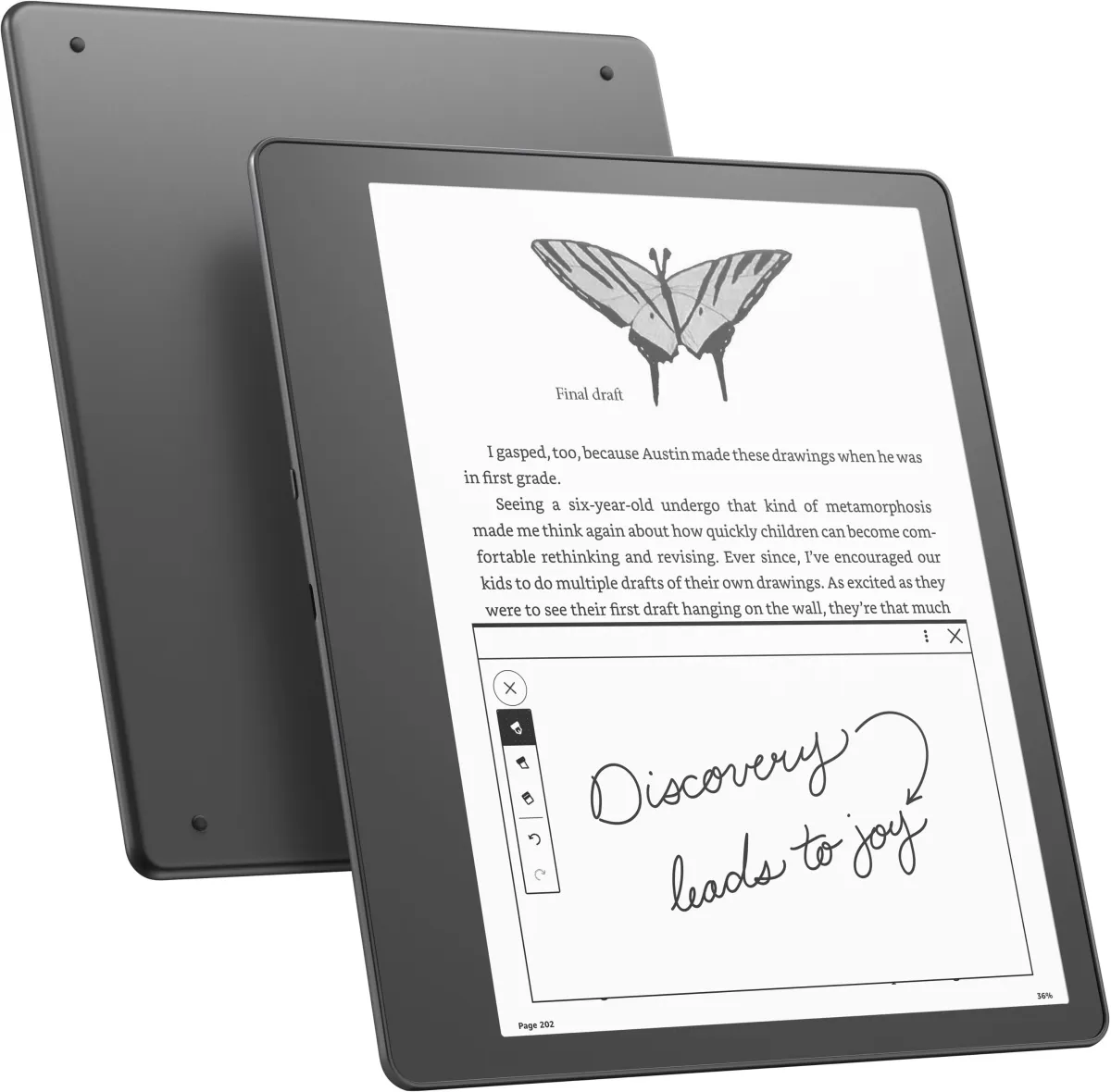 Photo: Kindle Unlimited, via pisces.bbystatic.com
Discoverability is another. The recommendation algorithms on major e-book platforms — love them or hate them — are genuinely effective at surfacing books readers didn't know they wanted. Libraries have struggled to replicate this digitally, though some systems are experimenting with tools like BiblioCommons to improve their catalog interfaces.
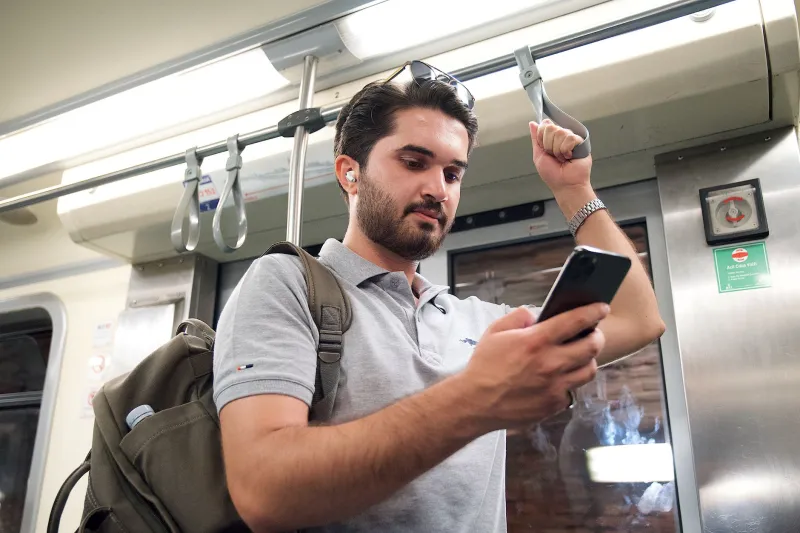
And then there's the simple reality of mobile-first reading. Most Americans now do a significant portion of their reading on smartphones. Commercial e-book apps are optimized for this. Library apps — Libby is the best of the bunch, and it's quite good — are improving, but they're working within constraints that commercial platforms don't face.
Is There a Better Model?
Some library advocates and publishing reform activists have proposed alternatives worth taking seriously.
One idea gaining traction is a "first sale doctrine" for digital books — essentially extending the legal principle that lets libraries lend physical books to the digital realm, so that a library purchasing an e-book license could lend it without the additional restrictions publishers currently impose. This would require either legislative action or a significant court ruling, and publishers would fight it hard.
Another proposal is a national digital lending infrastructure — a federally funded system that negotiates licensing on behalf of all US public libraries collectively, rather than leaving each system to negotiate individually. The collective bargaining power of the entire American public library system would look very different from that of a single city or county.
Some smaller publishers and independent authors have already opted into more library-friendly models, offering their epub titles through platforms like Overdrive and Hoopla at prices and terms that actually work for public institutions. The indie publishing world, ironically, has been more willing to partner with libraries than the Big Five have.
The Bigger Question
At the heart of this debate is a question about what kind of society we want to be.
Public libraries are one of the genuinely radical ideas American democracy has produced — the notion that access to information and literature shouldn't be gated by ability to pay. That principle doesn't lose its value in a digital world. If anything, it becomes more important as more of our intellectual and cultural life moves online.
But libraries can't fulfill that mission if the economics of digital licensing make it impossible for them to provide timely access to the books people actually want to read. The fourteen-week waitlist isn't just an inconvenience. For a reader without disposable income to spend on e-books, it's a wall.
The commercial platforms aren't going to solve this problem — they're not designed to. That's not a criticism; it's just a description of what they are. The solution, if one comes, will have to involve publishers, legislators, and library systems figuring out a model that doesn't ask the public to choose between instant access and equitable access.
Until then, the waitlist keeps growing.