Level Up Your Reading Life: The Best E-Book Apps and Tools Worth Using in 2025
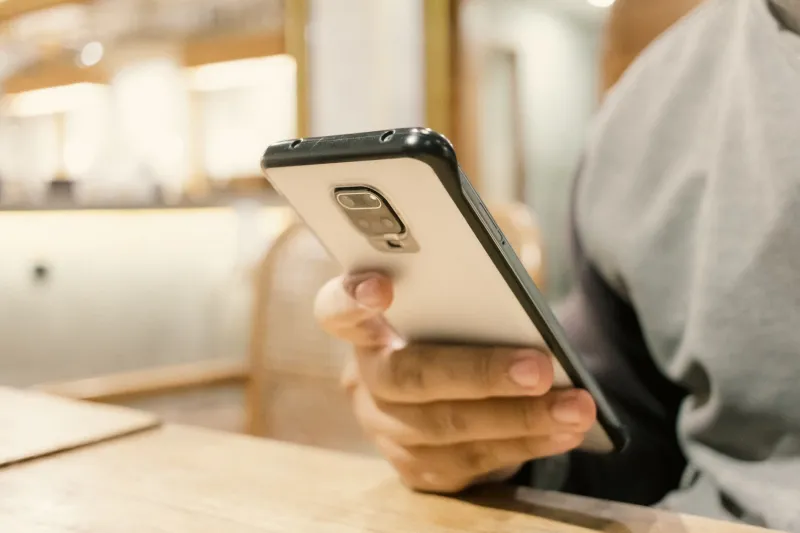
Let's be real — the promise of digital reading sounds amazing on paper. Your entire library, accessible anywhere, on a device that fits in your jacket pocket. But if you've ever tried to manage 200 epub files across three different apps while your phone storage screams at you, you know the reality can be a little messier.
The good news? The ecosystem around e-books and epub reading has matured a lot, and there are some genuinely great tools out there that make the whole experience feel as good as curling up with a physical book — sometimes better. Here are 10 worth knowing about.
1. Libby — For the Frugal Reader Who Loves Free Books
Solves: Paying full price for e-books when your library card is sitting right there in your wallet.
If you have a US library card and you're not using Libby, you're leaving free books on the table. This app from OverDrive lets you borrow e-books and audiobooks directly from your public library system, and it's genuinely one of the best-designed reading apps around. The interface is clean, syncing works smoothly, and you can have multiple library cards loaded at once — helpful if you live near a county line or have out-of-state family memberships.
The catch? Waitlists for popular titles can be brutal. We'll get into that more in a future piece, but for backlist titles and classics, Libby is unbeatable.
2. Kindle App — The One That Goes Everywhere
Solves: Not wanting to carry a dedicated reading device but still wanting a polished reading experience.
You don't need a Kindle hardware device to use Amazon's reading ecosystem. The free Kindle app runs on iOS, Android, Mac, and PC, syncs your progress across all of them, and gives you access to the largest e-book store in the US. Whispersync means you can switch from your phone to your tablet without losing your place. It's not perfect — Amazon's epub support is famously limited, preferring its own formats — but for sheer convenience and catalog size, it's hard to beat.
3. Calibre — The Power Tool for Serious Digital Collectors
Solves: Managing a large personal epub library without losing your mind.
Calibre is free, open-source, and genuinely one of the most powerful pieces of software in any e-book enthusiast's toolkit. It lets you organize your entire digital library, convert between formats (epub, mobi, PDF, and more), edit metadata, and even manage your reading device. It's not exactly pretty, and the learning curve is real, but once you've set it up, it's indispensable. Think of it as the iTunes of e-books, except it actually works the way you want it to.
4. Kobo App — The Best Alternative to Amazon's Ecosystem
Solves: Not wanting to be locked into a single retailer's walled garden.
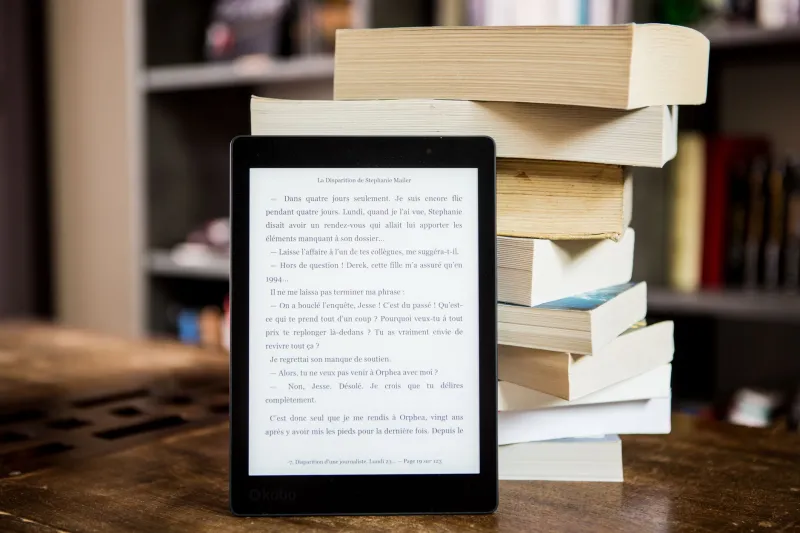
Kobo's app and devices are beloved by readers who want the quality of a Kindle experience without handing every purchase dollar to Amazon. The Kobo storefront has a solid catalog, supports epub natively, and integrates with OverDrive/Libby for library borrowing. The reading interface is customizable, and Kobo's hardware devices — particularly the Kobo Libra and Elipsa lines — are genuinely excellent if you want a dedicated e-reader.
5. Moon+ Reader Pro — Android's Best-Kept Secret
Solves: Wanting a fully customizable reading experience on Android without paying for a new device.
If you're on Android and you haven't tried Moon+ Reader Pro, it's worth the few dollars. It handles epub files beautifully, offers a ridiculous level of customization (fonts, margins, line spacing, screen brightness schedules), and supports cloud storage integration so your library lives in Google Drive or Dropbox. It's the kind of app that rewards tinkerers.
6. Speechify — For When Your Eyes Need a Break
Solves: Wanting to "read" during a commute, workout, or household chore session.
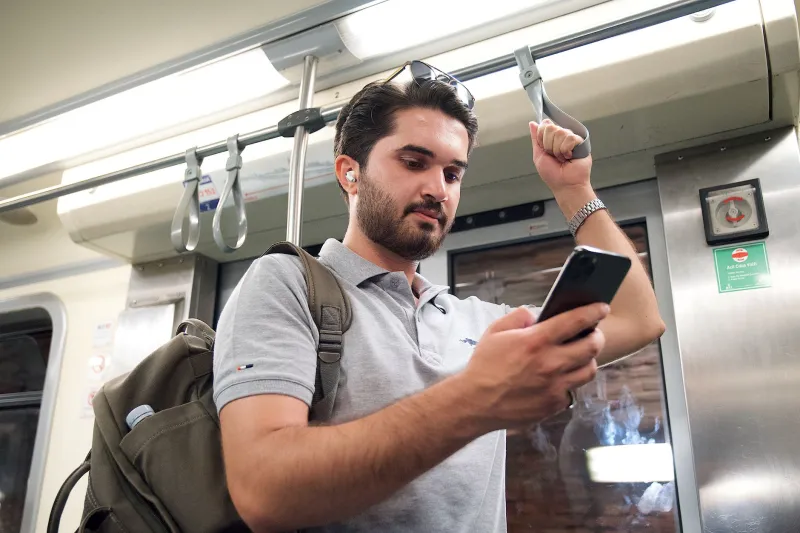
Speechify converts text — including epub files, PDFs, and web articles — into natural-sounding audio. It's not quite an audiobook, but the AI voices have gotten surprisingly good, and the ability to speed up playback means you can get through content faster than most people read. It's become a favorite among commuters and people who spend a lot of time driving.
7. Readwise Reader — For the Highlight Hoarder
Solves: Taking notes and highlights across multiple reading apps and then never being able to find them again.
Readwise Reader is a newer entry in the space, but it's quickly become essential for readers who like to engage actively with what they're reading. It aggregates your highlights from Kindle, Kobo, and other sources, lets you read epub and PDF files natively, and has a spaced-repetition review system that resurfaces your highlights over time so you actually remember what you read. It's particularly popular among nonfiction readers.
8. Bookly — For the Reader Who Wants to Track Everything
Solves: Losing track of your reading goals and not knowing how fast you actually read.
Bookly is a reading tracker app that logs your sessions, calculates your reading speed, and helps you set and hit annual reading goals. It's motivating without being annoying, and the stats it generates — average pages per hour, total books completed, reading streaks — are genuinely fun to look at. Think of it as a fitness tracker, but for your reading habit.
9. Google Play Books — The Underrated Option
Solves: Wanting a reliable epub reader that's already on your Android device.
Google Play Books doesn't get as much attention as Kindle or Kobo, but it's a solid, well-designed option that's built right into the Android ecosystem. It supports epub and PDF uploads from your personal library, has a clean reading interface, and integrates with Google's search and translation tools — handy when you're reading something with unfamiliar vocabulary or foreign language passages.
10. A Good E-Ink Device (Seriously, Just Get One)
Solves: Eye strain from reading on a backlit phone or tablet screen for hours.
This isn't a single app, but it might be the most impactful upgrade on this list. If you're reading more than a couple of hours a day on a phone or tablet, an e-ink device — whether that's a Kindle Paperwhite, a Kobo Libra, or a Boox device — will change your reading life. The screens are easier on your eyes, the battery lasts weeks rather than hours, and the focused, distraction-free interface makes it much easier to stay in a book. In 2025, e-ink devices have gotten lighter, more responsive, and more affordable than ever. There's never been a better time to pick one up.
The right combination of tools really does make digital reading feel like less of a compromise and more of an upgrade. Start with one or two that solve your biggest pain points, and build from there. Your library is already in your pocket — might as well make the experience worth it.