Dog-Eared Pages Are So Last Decade: How E-Books Are Reshaping the American Classroom
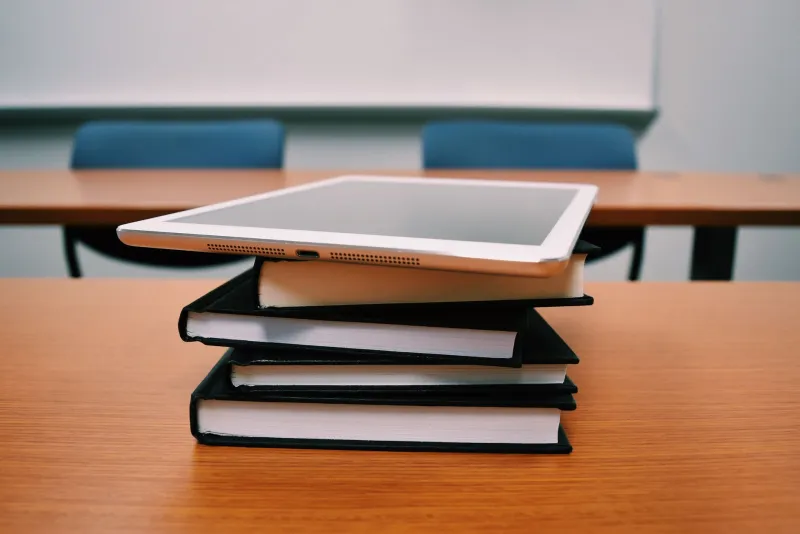
Walk into Marisela Tran's ninth-grade English class at a public high school outside of Austin, Texas, and you might notice something a little different. Her students aren't lugging around worn paperbacks or highlighting passages with neon markers. Instead, they've got tablets open, and they're annotating a shared digital edition of To Kill a Mockingbird — leaving comments, flagging vocabulary, and even responding to each other's notes like it's a group chat built right into the book.
"It changed how they talk about reading," Tran says. "They're not just passively moving through the text anymore. They're in conversation with it."
This kind of scene is playing out in classrooms from rural Montana to suburban New Jersey, as K-12 teachers and college professors alike start treating e-books not as a novelty but as a legitimate instructional tool. The shift isn't happening overnight, and it's not without friction. But for educators who've figured out how to make it work, digital reading is opening up possibilities that a stack of photocopies never could.
The Cost Problem That E-Books Actually Help Solve
Let's start with the most practical reason schools are going digital: money. College textbooks in the US have increased in price by over 180 percent in the last two decades, according to the Bureau of Labor Statistics. A single semester's worth of required reading can run a student $300 to $600 or more. That's not a small ask, especially for community college students or first-generation undergrads juggling jobs and family responsibilities.
Digital editions — especially open educational resources (OER) and publisher-licensed e-books — can slash those costs dramatically. Instructors at schools participating in programs like the California Community Colleges' Zero-Textbook-Cost initiative have reported students actually completing assigned readings at higher rates when the materials are free and instantly accessible.
"When the book costs $180, a lot of students just don't buy it," says one community college sociology professor in Chicago who switched to a free OER digital textbook two years ago. "Now they at least have a fighting chance of keeping up."
At the K-12 level, district-wide licensing deals with platforms that bundle e-books into existing learning management systems are helping schools stretch tight budgets further — particularly in lower-income districts that have historically relied on aging, outdated physical textbooks.
Beyond the Textbook: Interactive Reading in Action
The cost savings are compelling, but the more interesting story might be what e-books make possible that print simply can't.
In a middle school outside of Minneapolis, a sixth-grade science teacher uses annotated digital editions of nonfiction science texts that include embedded videos, clickable glossary terms, and comprehension check-ins built right into the reading experience. Students who struggle with dense scientific vocabulary can tap a word and get a plain-language definition without losing their place in the text.
"It lowers the barrier without dumbing it down," she explains. "Kids who used to give up on a passage now have a reason to push through."
College-level instructors are finding similar wins with humanities courses. A literature professor at a mid-sized state university in Ohio has started using a platform that lets her embed discussion prompts directly into digital texts. Students respond before class, and she uses those annotations to shape her lecture in real time. "I know exactly where they got confused before they even walk in the door," she says.
For students with learning differences, the advantages can be even more significant. Text-to-speech functionality, adjustable font sizes, and high-contrast reading modes — features baked into most e-book platforms — mean that a student with dyslexia or low vision can access the same edition as everyone else, without needing a separate accommodation.
The Challenges Nobody Wants to Gloss Over
Here's where we have to be honest, because the picture isn't entirely rosy.
Screen fatigue is real. Students who are already spending hours on devices for homework, social media, and gaming don't always welcome more screen time, even in the name of reading. Several teachers interviewed for this piece mentioned students asking — sometimes pleading — for a physical copy. There's a tactile, focused quality to reading a print book that a tablet screen doesn't fully replicate, and researchers are still debating whether digital reading leads to the same depth of comprehension as print for longer, more complex texts.
Then there's the device access problem. The pandemic-era rush to put Chromebooks and iPads in students' hands helped, but it didn't solve everything. In rural districts with spotty broadband, or in households where multiple kids share a single device, the promise of "anytime, anywhere" digital reading runs into hard logistical walls. A student who can't reliably get online at home is going to struggle with any curriculum that assumes constant connectivity.
And not every teacher feels equipped to navigate the new landscape. Learning a new platform, troubleshooting login issues, managing digital licenses — it's administrative overhead that gets piled onto educators who are already stretched thin. Professional development for digital reading tools remains inconsistent across districts, and without it, even the best platform can become shelfware.
What Schools Need to Get Right
The classrooms where e-book integration is working best tend to share a few things in common. They've invested in teacher training — not just a one-hour intro session, but ongoing support. They've thought carefully about equity, ensuring students have reliable device access and offline reading options when internet connectivity isn't guaranteed. And they haven't gone all-in on digital at the expense of print; the most thoughtful educators are mixing formats based on what the task actually calls for.
There's also something to be said for letting students have input. A high school English teacher in suburban Atlanta described a simple practice that's made a real difference: at the start of each unit, she asks students whether they'd prefer to read a title digitally or in print, and where possible, she accommodates both. "They feel like they have some control over their reading experience," she says. "And honestly, the engagement goes up either way."
The Bigger Picture
E-books in education aren't a magic fix, and anyone selling them as one is probably trying to sell you a platform subscription. But as a tool — thoughtfully chosen, properly supported, and deployed with equity in mind — they represent a genuinely meaningful shift in how American students can access and interact with the written word.
The library has always been about getting the right book into the right hands. Whether that book lives on a shelf or on a screen, the goal is the same: meet readers where they are, and make it as easy as possible for them to go somewhere new. That's a mission worth getting right.